
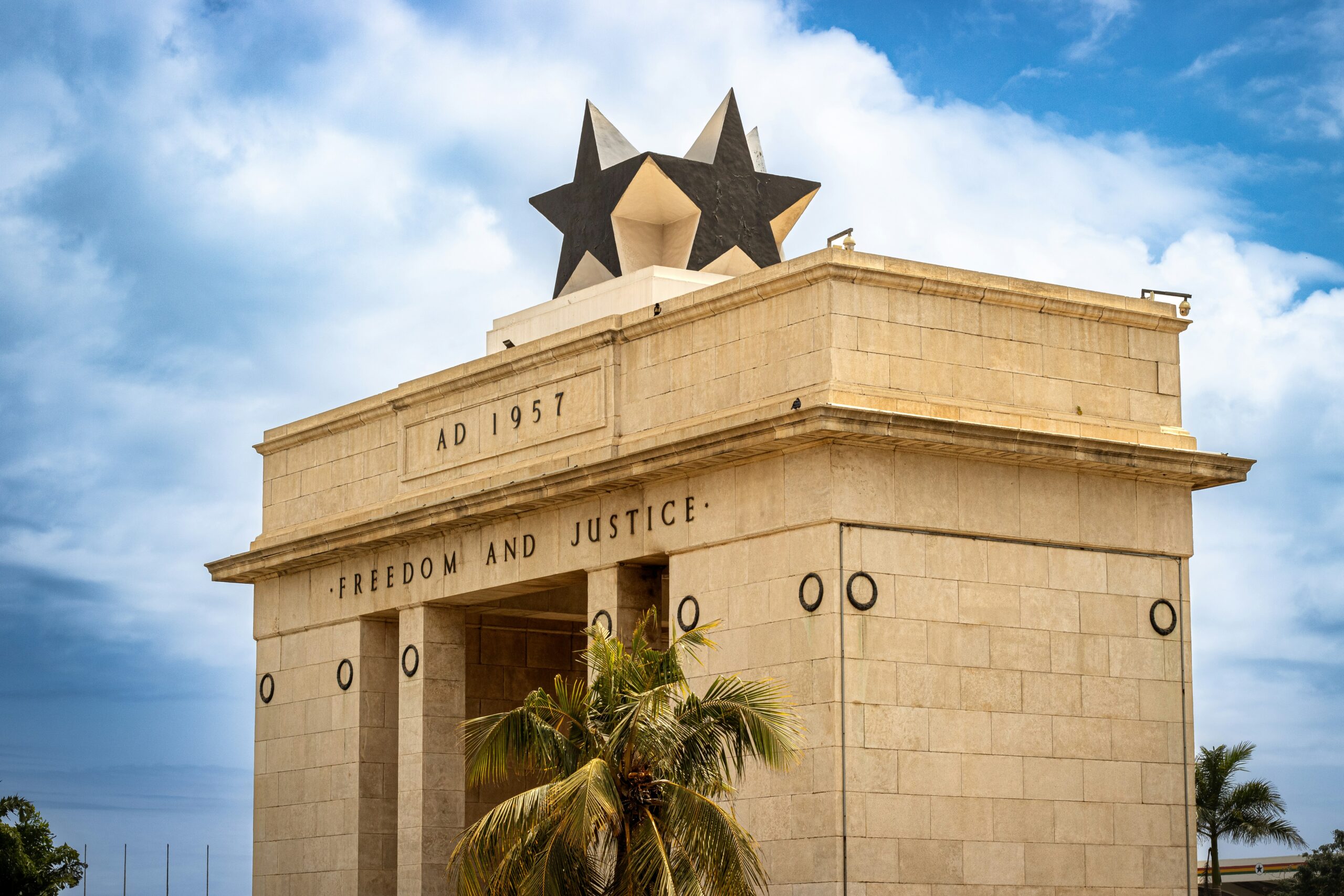
When Ghana gained independence in 1957, the country inherited a healthcare system that was limited in reach and heavily concentrated in urban centers. Since then, Ghana has made remarkable progress in expanding healthcare access, training professionals, and building infrastructure. Yet, many challenges remain—especially around accessibility, quality of care, and continuity of services.
Today, innovative healthcare models like Rivia Clinics are emerging to help address these persistent gaps while building on the progress Ghana has made over the past decades.

The Early Years: Building a National Health System
In the years immediately following independence, Ghana’s government prioritized the development of public healthcare infrastructure. Hospitals and health centers were built across the country, and the focus was on providing basic primary healthcare services to the population.
During this period, healthcare delivery was largely state-led, with the government responsible for building facilities, training healthcare workers, and providing services at subsidized costs. Major teaching hospitals and regional hospitals became the backbone of the healthcare system.
While these efforts significantly improved healthcare access compared to the colonial period, resources were limited, and rural communities often remained underserved.
The Era of Health Reforms
By the late 20th century, Ghana began introducing several reforms aimed at improving efficiency and expanding coverage. One of the most significant developments was the establishment of the National Health Insurance Scheme (NHIS) in 2003.
The NHIS aimed to reduce the financial burden of healthcare by replacing the “cash-and-carry” system, where patients paid for care out-of-pocket before receiving treatment. This reform improved healthcare utilization and made services more accessible to many Ghanaians.
However, challenges persisted:
- Long waiting times at health facilities
- Limited doctor–patient interaction
- Overburdened public hospitals
- Fragmented care experiences
These issues highlighted the need for new approaches to healthcare delivery.
The Rise of Private and Innovative Healthcare Providers
In recent years, Ghana’s healthcare landscape has seen the emergence of private healthcare providers focused on improving quality, efficiency, and patient experience.
These providers are introducing new models that combine technology, preventive care, and personalized services to complement the public system.
This is where Rivia Clinics comes in.
How Rivia Clinics Fits Into Ghana’s Healthcare Evolution
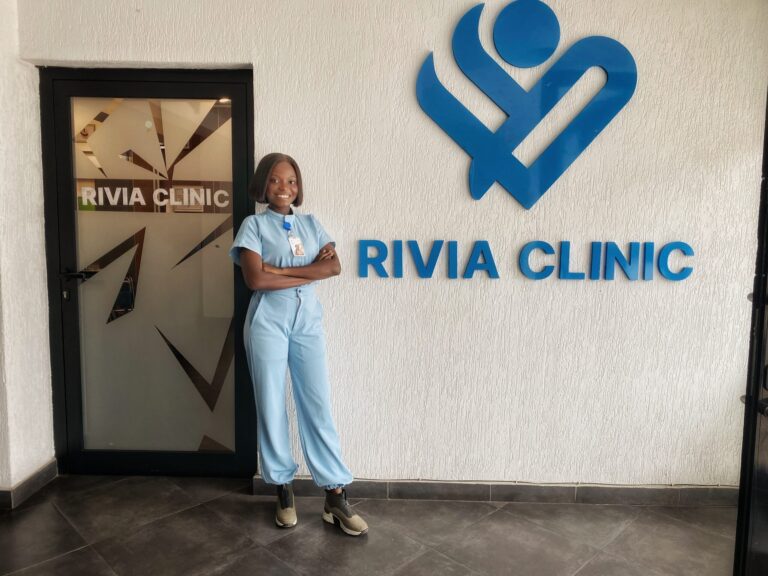
Rivia Clinics represents a modern approach to healthcare delivery in Ghana. As a multi-location, multi-specialty primary care provider, Rivia focuses on making healthcare more accessible, coordinated, and patient-centered.
Through its membership-based healthcare model, Rivia Clinics aims to address some of the longstanding gaps in healthcare delivery:
1. Accessible Primary Care
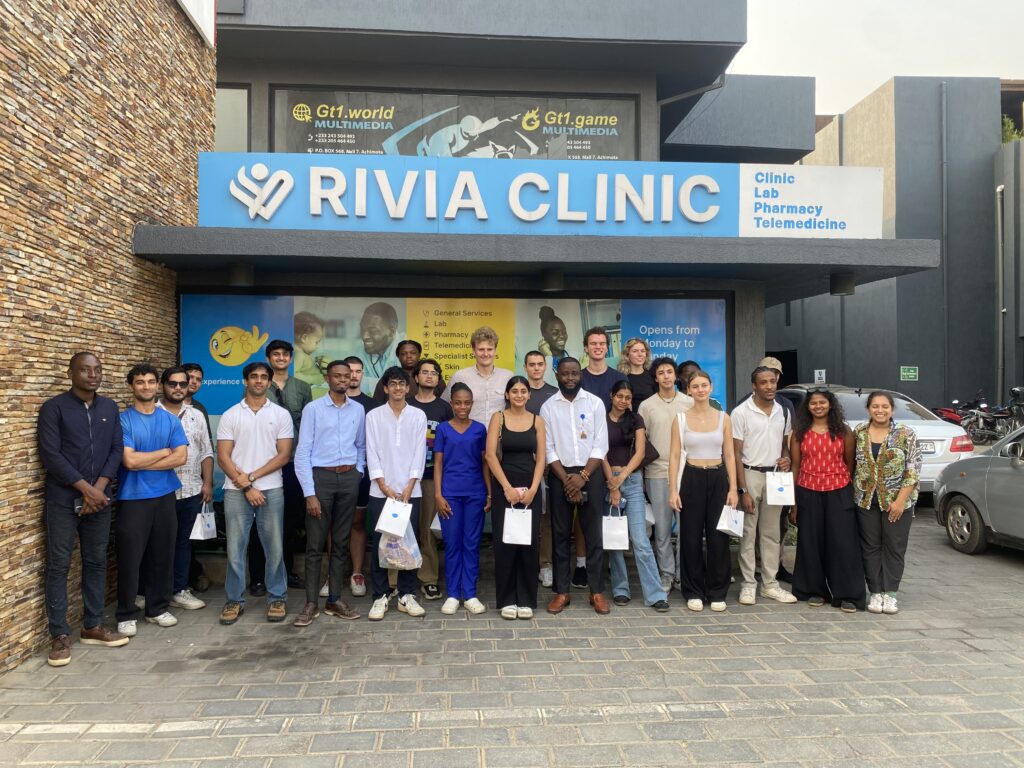
With multiple clinic locations across Ghana, Rivia Clinics brings healthcare closer to communities and workplaces, making it easier for patients to receive timely care.
2. Continuity of Care
Healthcare is not just about treating illness—it is about building long-term relationships with patients. Rivia Clinics focuses on ongoing care, preventive services, and follow-ups that help patients stay healthy.
3. Technology-Enabled Services
Digital health tools make it possible for patients to connect with doctors, schedule appointments, and access care more conveniently.
4. A Membership-Based Model
Through Rivia Access, patients and organizations can subscribe to healthcare services, allowing them to receive care without the stress of paying for each visit individually. This model emphasizes predictable, proactive healthcare rather than reactive treatment.
Looking Ahead: The Future of Healthcare in Ghana
Nearly seven decades after independence, Ghana continues to evolve its healthcare system to meet the needs of a growing population. The future of healthcare in the country will likely depend on strong collaboration between public institutions, private providers, and technology-driven solutions.
Organizations like Rivia Clinics are part of this next phase—bringing innovative care models that focus on access, quality, and patient experience.
As Ghana continues to strengthen its healthcare system, the goal remains the same as it was in 1957: ensuring that every person has access to reliable, high-quality healthcare when they need it.